





Some states have built their reputations on giant whitetails. Others offer something arguably more valuable to the traveling bowhunter: accessible public land, reasonable hunting pressure, and a realistic opportunity to punch a tag without spending a fortune on a lease or outfitter.
Choosing the best state for whitetail deer hunting in 2026–2027 means looking beyond trophy photographs and record-book entries. Archery season dates, nonresident licensing costs, public-land availability, and local hunting regulations can make the difference between a great trip and an expensive disappointment.
Iowa remains one of America’s premier destinations for trophy whitetails. Wisconsin provides an outstanding combination of deer quality and public access. Kansas produces exceptional bucks, while Missouri, Pennsylvania, Kentucky, and several other states offer opportunities that deserve serious consideration.
We’ve ranked our favorite whitetail hunting states, researched current archery seasons and licensing requirements, and identified public-land opportunities worth investigating. Whether you’re planning a destination trophy hunt or your first DIY public-land bowhunt, here’s what you need to know.
How We Ranked the States: These rankings consider mature-buck potential, public hunting access, nonresident licensing, habitat quality, hunting pressure, and overall bowhunting opportunity. They are editorial assessments, not statistical rankings based exclusively on record-book entries.
Jump to a Section
The 10 Best States for Whitetail Deer Hunting
There is no single best state for every deer hunter. A serious trophy hunter with preference points and an outfitter budget has different priorities than someone looking for a weeklong public-land bowhunt.
With that in mind, these are our favorite whitetail hunting states for the 2026–2027 season.
Elite mature-buck potential, but nonresident tags require planning and a successful draw.
Excellent deer hunting history, extensive access, and straightforward licensing.
Exceptional agricultural whitetail habitat and valuable walk-in hunting access.
Strong deer hunting traditions, conservation areas, and excellent habitat diversity.
- Iowa — Best for trophy whitetails
- Wisconsin — Best all-around public-land destination
- Kansas — Best for Great Plains big bucks
- Ohio — Best for mature-buck bowhunting
- Missouri — Best for a DIY Midwest hunt
- Kentucky — Best for early-season opportunity
- Illinois — Best for classic farm-country trophy bucks
- Pennsylvania — Best for expansive eastern public land
- Indiana — Best overlooked Midwest destination
- Michigan — Best for big-woods public-land adventures
2026–2027 Whitetail Archery Season Dates at a Glance
Before selecting a destination, make sure the state’s archery season aligns with your intended travel dates. Several states split their seasons around firearm hunting periods, while others allow archery hunting throughout the fall and winter.
Dates shown are the main statewide archery periods for the 2026–2027 hunting season. Individual counties, deer management units, disease management areas, and public properties may have exceptions. Special firearm seasons may overlap archery hunting.
Best Whitetail Hunting States: Dates, Tags, Rules and Public Access
Iowa: Best for Trophy Whitetails
Iowa remains one of the most sought-after states for serious whitetail hunters. Fertile agricultural ground, productive hardwood habitat, and a long tradition of mature-buck management make this a dream destination for many bowhunters.
Southern Iowa’s rolling farm country and wooded drainages are particularly appealing. But Iowa isn’t a destination where most nonresidents can simply purchase a buck tag and head to the woods.
Archery season: Oct. 1–Dec. 4 and Dec. 21–Jan. 10.
Nonresident tags: Limited drawing for regular either-sex deer licenses.
Application period: May 2–June 7, 2026.
Cost: The 2026 general deer license is $498, with additional hunting license, habitat, and applicable fees. Budget roughly $650 for the standard adult nonresident package, depending on the current fee schedule.
Important rule: Nonresident deer licenses are issued for specific hunting seasons and zones. Preference points can improve future drawing odds.
Public access: Wildlife management areas, public hunting lands, and participating public-access properties.
Where to hunt: Southern and northeastern Iowa have productive agricultural deer habitat. Public-land hunters should concentrate on timber blocks near crop fields, creek systems, and overlooked access routes.
Best time: Late October through mid-November is a strong rut-focused window. Because tags can be difficult to draw, Iowa is better viewed as a long-term trophy destination than a spontaneous hunting trip.
Wisconsin: Best Overall Public-Land Whitetail Hunting
Wisconsin offers one of the best combinations of trophy potential, accessible public ground, and practical opportunities for a traveling bowhunter.
Southern and western Wisconsin feature productive agricultural habitat, while the northern forests offer an entirely different big-woods experience. The best option depends on whether you prioritize deer density, mature-buck potential, or remote hunting opportunities.
Archery season: Sept. 12–Jan. 3; Jan. 31 in qualifying extended-season units.
Nonresident archery license: $200.
Tag availability: Generally available without a limited nonresident buck-tag drawing.
Important rules: Bucks cannot be harvested during statewide antlerless-only hunts or applicable holiday antlerless hunts. Antlerless authorizations depend on deer management units and land type.
Public access: State forests, county forests, wildlife areas, and privately owned forestland enrolled in qualifying public-access programs.
Where to hunt: Southwestern agricultural country is appealing for farm-and-timber deer hunting. Northern Wisconsin offers extensive forest country and opportunities to escape heavily used access points.
Best time: Late October through mid-November for rut activity. Early-season hunts can also be productive around consistent food sources.
Wisconsin’s Managed Forest Law and other public-access arrangements can open hunting ground that isn’t obvious when looking only at state-owned properties. Always confirm a parcel’s current access designation before entering.
Kansas: Best for Great Plains Big Bucks
Kansas combines expansive agricultural country, river-bottom timber, grasslands, and the genetics necessary to produce extraordinary whitetails.
Much of the best habitat is privately owned, but Kansas has a major advantage over some other trophy destinations: its Walk-In Hunting Access program.
Archery season: Sept. 14–Dec. 31.
Nonresident tags: Limited drawing for nonresident deer permits.
Application: Apply during the announced spring nonresident deer application period. Permit availability depends on the designated deer management unit.
Cost: Budget for the nonresident deer permit and required nonresident hunting license. Confirm the current applicant-specific total before applying.
Important rules: Permits have designated unit and equipment restrictions. Archery season overlaps certain firearm antlerless hunts; fluorescent orange requirements can apply.
Public access: Wildlife areas, WIHA, and iWIHA properties with designated access dates.
Where to hunt: Creek bottoms, shelterbelts, narrow timber strips, and agricultural transitions. Smaller pockets of cover can be especially valuable where larger blocks attract heavy hunting pressure.
Best time: Late October through November, particularly around travel corridors connecting bedding cover.
The Kansas Fall 2026–Spring 2027 Hunting Atlas identifies current walk-in properties. Some enrolled properties are open only during specific portions of the season, making access-date research essential.
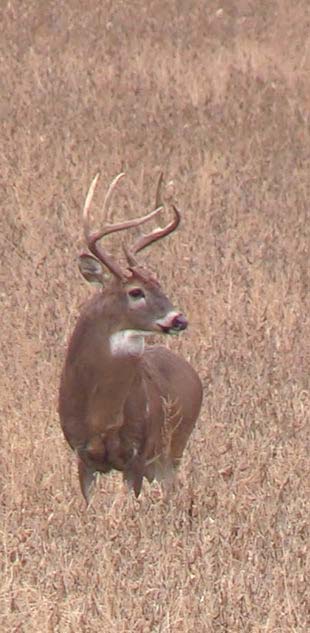
Ohio: Best for Mature-Buck Bowhunting
Ohio has established itself as one of America’s premier mature-buck destinations. Agricultural habitat, hardwood ridges, and quality cover provide excellent opportunities for bowhunters.
Southeastern Ohio’s rugged terrain also creates opportunities for hunters willing to use topography to locate funnels and less pressured stand locations.
Archery season: Sept. 26–Feb. 7. The designated disease surveillance area opened Sept. 12.
Nonresident tags: A valid nonresident hunting license and appropriate deer permit are required.
Tag availability: Standard licenses and permits are generally available without an Iowa-style statewide draw.
Important rules: County deer bag limits apply. The statewide antlered-deer limit and specific deer management permit restrictions must be observed.
Public access: State wildlife areas and authorized public properties. Ohio’s Landowner-Hunter Access Partnership also offers access to enrolled private properties through a permit process.
Where to hunt: Southeastern hardwood country for terrain-based hunting, or agricultural and timber transitions elsewhere in the state.
Best time: Late October into mid-November for rut-focused hunting. Ohio’s lengthy season also allows late-winter opportunities where regulations and local deer patterns permit.
Missouri: Best for a DIY Midwest Whitetail Hunt
Missouri provides an appealing combination of agricultural habitat, hardwood timber, and public conservation land.
Northern Missouri is known for agricultural whitetail hunting. Southern Missouri’s Ozark country offers a different experience, with ridges, oak forests, and substantial terrain.
Archery season: Sept. 15–Nov. 13; Nov. 25–Jan. 15.
Nonresident archer’s permit: $360.
Tag availability: Generally available without a statewide limited draw.
Important 2026 rule: Regular nonresident permit holders may harvest only one antlered deer across archery and firearm seasons combined. Separate provisions apply to qualifying nonresident landowners.
Public access: Missouri Department of Conservation areas and other properties permitting deer hunting.
Where to hunt: Northern agricultural country for food-and-cover patterns; Ozark ridges and hardwood forests for terrain funnels and big-woods hunting.
Best time: Late October through the November archery closing date. The season resumes after the November firearm period.
Property-specific regulations matter in Missouri. Some conservation areas are open to general archery hunting, while others require managed-hunt participation or impose additional restrictions.
Kentucky: Best for Early-Season Whitetail Opportunity
Kentucky offers productive whitetail hunting in agricultural valleys, hardwood ridges, river bottoms, and thick cover.
Its early September archery opener makes it attractive to hunters who want to pursue bucks before much of the traditional Midwest hunting season gets underway.
Archery season: Sept. 5–Jan. 18.
Nonresident licensing: Adult hunters generally need an annual nonresident hunting license and statewide deer permit.
Cost: Approximately $418 for the standard adult nonresident hunting license and statewide deer permit combined, before applicable additional fees.
Important rules: Kentucky has a statewide one-antlered-deer season limit. Zone 4 has additional restrictions on antlerless harvest during designated firearm and muzzleloader periods.
Public access: Wildlife management areas, state forests, and other public hunting properties. Certain areas require quota permits or have special seasons.
Where to hunt: Hardwood ridges adjacent to feeding areas, creek bottoms, and edges between agricultural ground and thick bedding cover.
Best time: Early September for patterned bucks, or late October through November for rut movement.
Kentucky reports more than 1.5 million acres of public hunting land, but not all of it is available for unrestricted deer hunting. Check individual property rules before selecting a location.
Illinois: Best for Classic Midwest Farm-Country Bucks
Illinois remains a famous destination for big whitetails. Fertile farmland, river systems, and scattered timber create excellent conditions for deer to reach maturity.
Access is often the greatest challenge. Much of the most productive whitetail habitat is privately owned, and hunters should account for that before planning an expensive trip.
Archery season: Oct. 1–Nov. 19; Nov. 23–Dec. 2; Dec. 7–Jan. 17 in most counties.
Special county dates: Cook, DuPage, Lake, and Kane County east of Route 47 have an Oct. 1–Jan. 17 archery season.
Nonresident combination archery permit: $410 through the lottery application or $411 over the counter if available, before transaction fees.
Application: The 2026 nonresident online lottery ran June 1–30.
Important rules: Season closures apply around certain firearm seasons. The Restricted Archery Zone has special antlered-deer rules during October. Applicable nonresident hunting license and habitat stamp requirements must also be met.
Public access: State-managed hunting properties, federal hunting lands, and other designated access opportunities.
Where to hunt: Agricultural regions with creek-bottom timber, river corridors, and wooded cover connecting bedding areas and fields.
Best time: Late October through early November for pre-rut and rut movement.
Illinois is best approached with a clearly identified hunting property or public-land strategy before investing in nonresident permits and lodging.
Pennsylvania: Best for Expansive Eastern Public Land
Pennsylvania doesn’t always receive the same trophy-whitetail attention as Iowa or Kansas, but it offers one of the most attractive combinations of public land and relatively affordable nonresident hunting.
Hunters can pursue deer in agricultural regions, Appalachian ridges, mixed hardwood forests, and large blocks of state forest.
Statewide archery season: Oct. 3–Nov. 20; Dec. 26–Jan. 24.
Special units: WMUs 2B, 5C, and 5D have expanded early archery dates beginning Sept. 19.
Nonresident adult hunting license: $101.97, including one antlered-deer tag.
Additional requirements: An archery privilege is required, and antlerless harvest requires the appropriate additional license or permit.
Important rules: One antlered deer per hunting license year. Antler restrictions and antlerless allocations vary. Sunday hunting has expanded for 2026–2027.
Public access: State game lands, state forests, and other authorized public hunting properties.
Where to hunt: Oak-producing ridges, saddle crossings, timber cuts, thick regeneration, and transition zones between bedding and feeding habitat.
Best time: Late October through early November, although the late archery season can provide excellent winter hunting opportunities.
Pennsylvania’s extensive state forests and game lands make it especially appealing for hunters who prefer to research, scout, and hunt without relying on private property.
Indiana: Best Overlooked Midwest Destination
Indiana offers mature-buck potential without quite the national reputation of Illinois and Ohio.
Productive farmland, wooded creeks, and agricultural cover create promising whitetail habitat, particularly where bucks can move between food and secure bedding areas.
Archery season: Oct. 1–Jan. 3.
Nonresident archery deer license: $240.
Nonresident deer license bundle: $550, allowing up to three deer under applicable restrictions.
Tag availability: Standard deer licenses are generally available without a statewide nonresident draw.
Important rules: One antlered deer statewide, with county-specific antlerless limits. Hunter orange is required during the overlapping firearm period and through the end of archery season.
Public access: State forests, fish and wildlife areas, and other designated public properties.
Where to hunt: Wooded drainages through agricultural ground, narrow timber corridors, and lightly pressured cover near feeding areas.
Best time: Late October through November for mature-buck movement.
Individual public properties can have special rules or reserved hunting arrangements, so confirm access before arriving.
Michigan: Best for Big-Woods Public-Land Adventures
Michigan offers a different kind of whitetail hunting opportunity. While parts of southern Michigan contain productive agricultural deer habitat, the state’s vast northern forests provide excellent opportunities for hunters seeking a big-woods adventure.
Deer density and hunting pressure vary significantly between the southern Lower Peninsula, northern Lower Peninsula, and Upper Peninsula.
Archery season: Oct. 1–Nov. 14; Dec. 1–Jan. 1.
Nonresident base hunting license: $151.
Nonresident deer-combination license: $190 additional, for a $341 base-plus-combination total.
Other deer license options: The state also lists a single-deer license at $20; confirm which license option and eligibility rules apply to your intended hunt.
Important rules: Deer management unit regulations, antler restrictions, and crossbow rules vary. Some properties require reserved hunting access.
Public access: State forests, national forests, state game areas, and other public hunting properties.
Where to hunt: Southern agricultural country for food-and-cover patterns; northern Lower Peninsula and Upper Peninsula for big-woods hunting.
Best time: Late October through mid-November for rut hunting. In northern forests, identify fresh deer sign and concentrated food before committing to a stand.
Michigan rewards hunters willing to scout habitat transitions, recent timber cuts, thick cover, and travel corridors away from heavily used roads.
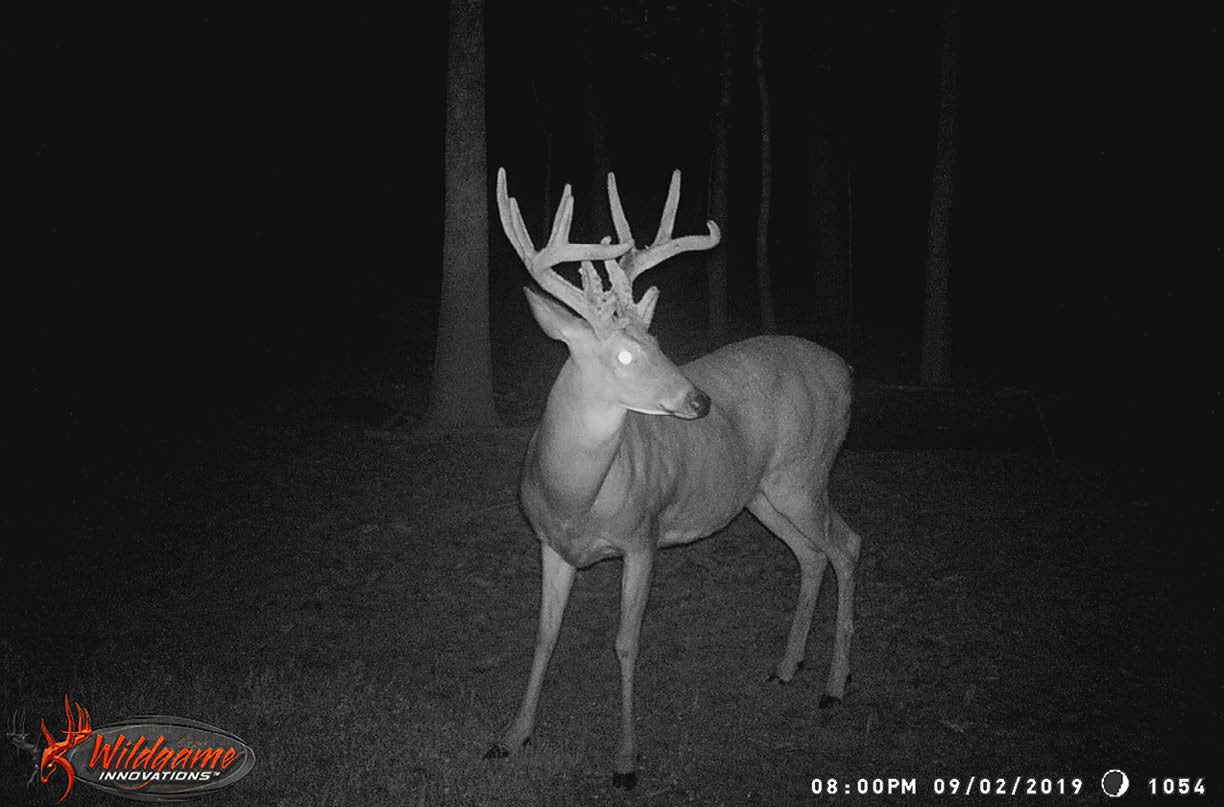
Best States for Public-Land Whitetail Hunting
For hunters without a private lease or an outfitter, public access is often the deciding factor when selecting a destination.
It’s important to remember that public hunting opportunities don’t always mean publicly owned property. Several states have access programs where private landowners enroll their property for public hunting during designated periods.
Our Favorite Public-Land Destinations
The biggest mistake traveling hunters make is assuming that the state with the most public acreage automatically offers the best whitetail hunting.
A small, overlooked property bordered by productive farmland can offer better deer movement than thousands of acres of marginal habitat. Evaluate deer density, food, cover, access routes, and surrounding hunting pressure before committing to a location.
Which States Offer the Best Value for Nonresident Bowhunters?
Nonresident permit costs can vary dramatically, and the advertised price of a deer tag doesn’t always include the hunting license, habitat stamp, or other required privileges.
Here are several options worth considering when establishing a budget.
Lower-Cost and Flexible Options
Pennsylvania: At $101.97 for the adult nonresident hunting license, plus the required archery privilege, Pennsylvania offers an attractive starting price and substantial public access.
Wisconsin: A $200 nonresident archery license and widespread public hunting opportunities make Wisconsin appealing for DIY hunters.
Indiana: The $240 nonresident archery deer license provides an approachable option for hunters interested in Midwest deer habitat.
Higher-Cost or Draw-Based Options
Iowa: Expect roughly $650 for the standard adult nonresident package, depending on applicable license and habitat fees. Drawing a tag is the bigger obstacle.
Illinois: The nonresident combination archery permit is approximately $410–$411 before additional applicable license, stamp, and transaction costs.
Kansas: Nonresident permits require a drawing. Account for permit fees, hunting license requirements, and the possibility of not drawing the desired unit.
These figures cover only selected hunting privileges, not total trip expenses. Fuel, lodging, food, equipment, property access, and processing costs can easily exceed the licensing expense.
Draw Tags vs. Over-the-Counter Licenses
A draw tag requires hunters to apply for a limited number of available permits. Iowa and Kansas are two prominent examples where nonresident deer opportunities depend on an application process.
An over-the-counter license is generally available through normal sales channels without winning a statewide lottery. Wisconsin, Missouri, and several other states offer more accessible standard hunting license options, although individual public-land hunts may still require reservations or special permits.
For hunters who want the flexibility to plan a trip with relatively little advance notice, easier licensing can be just as important as trophy potential.
The Best Sleeper States for Whitetail Hunting
When we originally looked at America’s whitetail states, we grouped destinations into legacy states, original sleepers, light sleepers, deep sleepers, and a tongue-in-cheek category of downright duds.
That was fun, but it’s not particularly useful to dismiss an entire state because it doesn’t regularly produce headline-making bucks.
Some of America’s best hunting opportunities exist in overlooked locations. These states deserve consideration for hunters willing to research individual regions and available access.
Nebraska
Nebraska offers river-bottom timber, agricultural fields, shelterbelts, and grassland habitat. Whitetails are often concentrated around suitable cover and food, making detailed scouting especially valuable.
Public hunting areas and enrolled private-land access opportunities deserve attention, but nonresident permit availability and unit rules should be researched early.
Oklahoma
Oklahoma offers a mix of agricultural habitat, wooded creek bottoms, and extensive areas of rural country. Its whitetail hunting potential is often overlooked by hunters focused on neighboring Kansas.
Wildlife management areas can provide DIY opportunities. Focus on cover connecting bedding areas and agricultural food sources.
Arkansas
Arkansas offers public hunting opportunities across hardwood forests, bottomland habitat, and wildlife management areas.
Hunters should investigate mast-producing timber, changes in water levels, and areas where deer movement is concentrated by terrain or habitat conditions.
Virginia and West Virginia
These Appalachian destinations reward hunters who understand topography. Saddles, benches, ridge intersections, and oak-producing areas can create excellent opportunities.
Public-land access can be substantial, particularly in large forest landscapes, but steep terrain and lower deer densities in some areas can make hunting challenging.
Maryland and Delaware
These smaller states can produce impressive whitetails in agricultural and coastal-plain habitat.
Access is often more localized than in states with extensive public forests, but wildlife management areas and other public hunting properties can provide worthwhile opportunities.
New York
New York offers everything from productive agricultural deer hunting in western and central regions to expansive big-woods hunting in the Adirondacks and Catskills.
Hunters should distinguish between these environments. Deer density, access, seasonal movement, and hunting strategies differ dramatically between agricultural country and remote northern forests.
For hunters willing to work harder for a public-land buck, New York offers more opportunity than its reputation sometimes suggests.
Other States Worth Considering
Minnesota, North Dakota, South Dakota, Mississippi, Tennessee, Georgia, Alabama, Louisiana, North Carolina, South Carolina, Vermont, New Hampshire, Maine, Massachusetts, Connecticut, New Jersey, Rhode Island, Texas, Montana, Wyoming, Idaho, Colorado, Washington, Oregon, and Florida all offer whitetail opportunities of varying scale and character.
Texas remains a premier destination for hunters with access to productive private ground. In many western states, whitetails are concentrated along agricultural valleys and river systems rather than spread evenly across the landscape.
Ultimately, a productive local property in a less famous state may provide a better hunting opportunity than a heavily pressured location in one of the nation’s top trophy destinations.

How to Scout Public Land Before an Out-of-State Whitetail Hunt
Choosing the right state is only the beginning. Successful public-land bowhunters spend considerable time narrowing a destination down to individual properties, bedding cover, food sources, and travel routes.
Identify Legal Hunting Access
Start with state wildlife agency maps and current public-land access information. Not every publicly owned property permits deer hunting, and some properties have special seasons, access limitations, or reserved hunts.
Before traveling, confirm the exact property is open during your intended hunting dates.
Study Aerial Imagery
Look for agricultural fields, timber edges, creek bottoms, thick cover, and transitions between habitat types.
Focus on properties offering multiple habitat features within a manageable hunting area. A small timber parcel surrounded by food sources may deserve more attention than a massive block of relatively uniform habitat.
Identify Natural Funnels
In hill country, saddles, benches, ridge intersections, and steep terrain can concentrate deer movement.
In agricultural areas, wooded fence lines, drainage corridors, creek crossings, and narrow strips of cover can serve a similar purpose.
Consider Hunting Pressure
Public-land hunting pressure is rarely distributed evenly. Easy parking areas and obvious food sources attract attention, while overlooked corners and difficult approaches may receive less pressure.
Identify multiple possible stand locations rather than committing your entire trip to one promising-looking area.
Plan Wind and Access Routes
The best deer habitat in the state won’t help if your approach alerts deer before legal shooting light.
Study prevailing winds, terrain, and access routes. Prepare alternate stand locations for changing conditions, and avoid walking directly through the bedding cover you’re hoping to hunt.
Download Offline Maps
Remote hunting areas may have little or no cellular service. Download maps before your trip, carry a backup power source, and have an alternative navigation method.
Digital scouting tools can make planning significantly more efficient, but they should supplement official property records and current hunting regulations rather than replace them.
Public-Land Whitetail Scouting Checklist
- Confirm the property is open to deer hunting.
- Check dates, permit requirements, and weapon restrictions.
- Identify legal parking and entry routes.
- Locate bedding cover and available food sources.
- Mark potential funnels and stand locations.
- Identify alternate setups for changing wind directions.
- Research hunting pressure and special property rules.
- Download offline maps and establish an emergency plan.
One of the biggest advantages modern bowhunters have is the ability to scout unfamiliar ground without ever setting foot on the property. Mapping apps have made it easier to identify potential bedding areas, terrain funnels, agricultural fields, and access routes before a hunt. Of the options available, onX Hunt is our choice for the best whitetail hunting app, particularly when hunting public land or traveling out of state. Its property boundary information, aerial imagery, and offline maps are useful for narrowing down potential stand locations. Of course, what looks promising on a screen doesn’t always translate to deer activity on the ground, so digital scouting should be the starting point, not the entire scouting process.
When Is the Best Time to Hunt Whitetails Out of State?
For much of the Midwest and northern United States, late October through mid-November is an excellent time to pursue mature bucks as the rut approaches and breeding activity increases.
However, rut timing varies by region. Southern populations can have substantially different breeding periods, and local food sources, weather, and hunting pressure can affect deer movement.
Early season: Concentrate on consistent food patterns, bedding-to-feeding movement, and low-impact stand access.
Pre-rut and rut: Focus on funnels, bedding-area transitions, and routes bucks use while searching for receptive does.
Late season: Prioritize food, thermal cover, and locations where deer can conserve energy while avoiding unnecessary disturbance.
Remember that archery seasons may overlap firearm hunting periods. Hunter-orange requirements and other restrictions can change depending on the state and date.
Frequently Asked Questions About Whitetail Hunting States
What is the best state for whitetail deer hunting?
Iowa is our top choice for trophy potential, while Wisconsin offers one of the best combinations of mature-buck opportunity, public land, and accessible nonresident licensing.
What is the best state for public-land whitetail hunting?
Wisconsin, Pennsylvania, Michigan, Missouri, and Kansas all deserve consideration. The best choice depends on preferred terrain, travel distance, tag availability, and the type of deer habitat you want to hunt.
Which states have the biggest whitetail bucks?
Iowa, Kansas, Ohio, Illinois, and Wisconsin all have established reputations for producing exceptional whitetails. However, trophy potential should always be weighed against access and realistic hunting opportunities.
Which state is best for a first out-of-state bowhunt?
Wisconsin, Missouri, Kentucky, and Pennsylvania are good starting points because of their public hunting opportunities and generally more accessible standard nonresident licensing systems.
Which states require a nonresident deer tag drawing?
Iowa and Kansas use drawing systems for regular nonresident deer permits. Other states may also require lotteries or reserved-hunt applications for specific public hunting properties.
What is the most affordable state for nonresident deer hunting?
Pennsylvania is worth investigating for its relatively inexpensive base nonresident hunting license and extensive public-land access. However, the required archery privilege, travel expenses, lodging, and other costs must also be considered.
Can you hunt public-land whitetails without an outfitter?
Absolutely. Many states offer substantial opportunities for self-guided deer hunting. Successful DIY trips depend on research, scouting, legal access, and a willingness to adapt to hunting pressure.
How early should you plan an out-of-state deer hunt?
For states with limited nonresident drawings, start planning well before the spring application deadlines. In states with more accessible licensing, several months of preparation should provide time to research properties, secure lodging, and identify alternate hunting locations.
Final Thoughts: The Best Whitetail State Is the One You Can Hunt Well
It’s easy to become obsessed with giant bucks from Iowa, Kansas, and Ohio. Those states have earned their reputations, but a famous destination doesn’t automatically provide the best hunting experience.
A hunter with excellent knowledge of an overlooked piece of public land may have better odds than someone arriving in a trophy state without a scouting plan.
Wisconsin provides a tremendous combination of public access and deer hunting quality. Iowa remains a dream destination for serious trophy hunters. Kansas offers outstanding agricultural whitetail hunting, while Missouri, Kentucky, Pennsylvania, and Michigan provide appealing opportunities for hunters willing to do the work.
Regardless of where you hunt, the fundamentals remain the same: locate food, understand bedding cover, study deer movement, pay attention to the wind, and spend time scouting.
A mature buck taken on an overlooked piece of public land can be every bit as memorable as one taken in America’s most famous whitetail country.
More Bowhunting Gear and Advice
Planning your next whitetail hunting trip? Make sure your equipment is ready for the season.
Best Archery Gear for 2026: Bows, Broadheads, Sights, Releases and More
Updated November 2026. All hunting dates and published prices refer to the 2026–2027 hunting season unless otherwise specified. Application procedures, permit fees, deer management zones, harvest restrictions, and public-property access may change. Hunters are responsible for verifying current regulations before purchasing licenses or entering hunting property. Fall 2027 regulations are not yet universally finalized.
Per our affiliate disclosure, we may earn revenue from the products available on this page. To learn more about how we test gear, click here.