







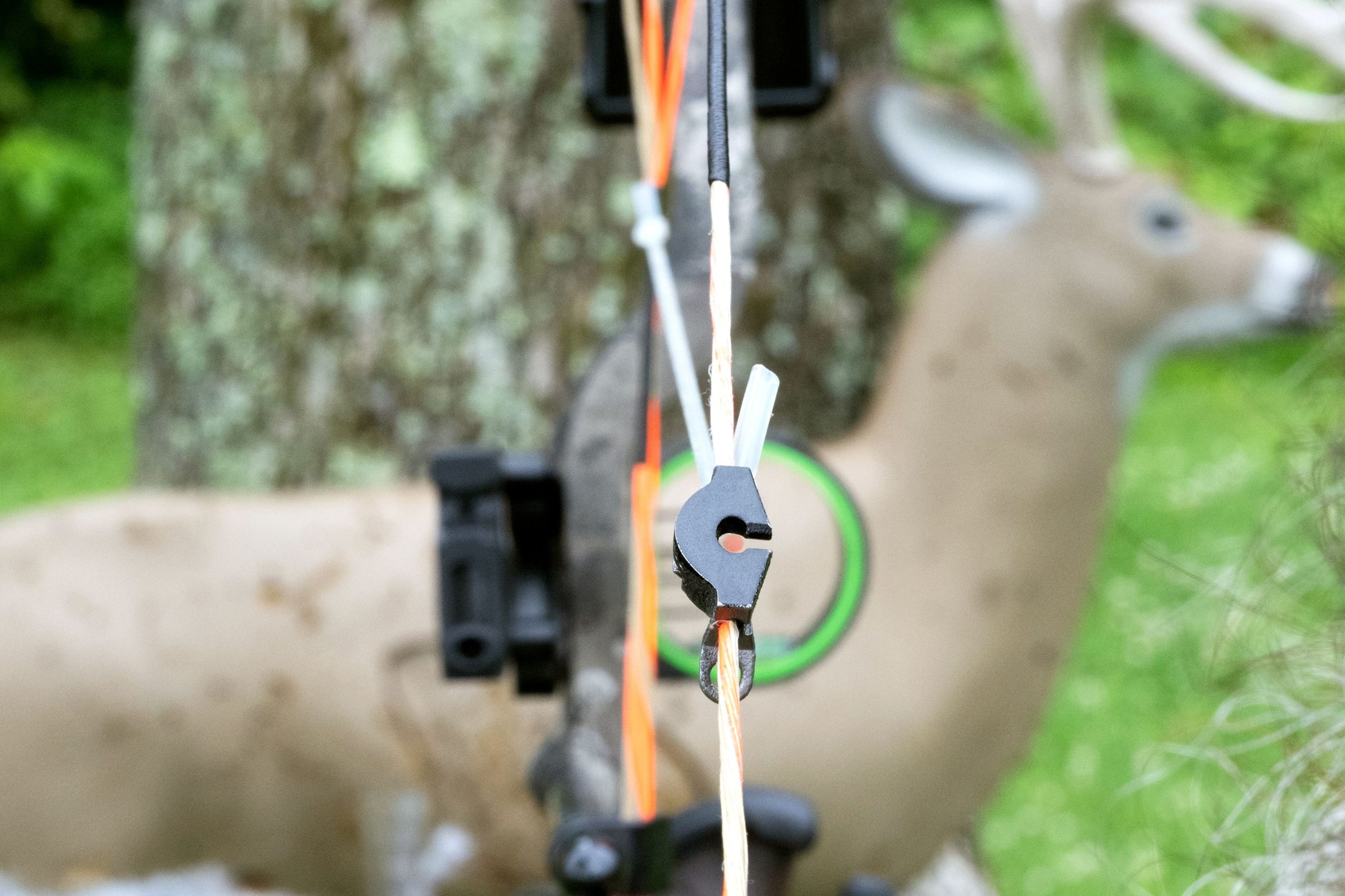
Lil Bo Peep Sight Review — A Game-Changing Take on Modern Peep Design
Over the last several years, very little has changed in the archery world when it comes to peep sights. Most models are still the same small, round aperture tied into your string serving—simple, effective, and familiar. They come in multiple colors and diameters, but at the end of the day, they all function similarly: you look through the circle to align your sight housing. This year, however, a company called Lilbo Peep Sites introduced something genuinely different—an innovative peep design that offers a 100% unobstructed sight picture through your entire shot process.
When I spoke with John, the owner and creator of the brand, he explained that he identified a real flaw in traditional peep sights, especially during those final moments of legal shooting light when visibility fades. His solution became the Lilbo Peep Sight, and after testing it myself, I can confidently say it brings something new to the modern bowhunting landscape.
What Makes the Lilbo Peep Sight Unique?
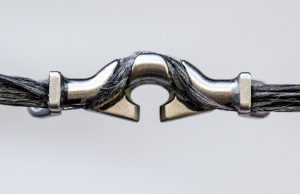
The Lilbo Peep Sight is a 3D-printed titanium-alloy peep built for all modern compound bows and available in both left- and right-handed models. It’s proudly made in the USA, and several design elements set it apart from every other peep on the market.
The first and most important feature is the unobstructed field of view. Instead of a closed ring you look through, the Lilbo uses a C-shaped design with an open cutout on the side of your dominant eye. That open notch wraps completely around your bowstring without requiring serving material, eliminating the traditional circular frame that blocks parts of your sight picture.
Because the sight is open on the dominant-eye side, it naturally gathers more light—an enormous advantage at dusk and dawn. Instead of hunting for your peep, aligning the hole, then settling your pin, the Lilbo ensures your eye naturally falls into position. When you draw back, the sight picture is clean, fast, and free of visual clutter.
Another advantage is the elimination of peep rotation and sight creep. Traditional peeps can twist or rotate over time, requiring constant micro-adjustments to maintain alignment. Since the Lilbo wraps around the string and maintains tension from both sides, the peep stays anchored in place. Once installed, you simply don’t have to babysit it like a traditional peep.
Combine the clarity, the low-light advantage, and the fixed alignment, and you begin to understand why this small piece of titanium might be one of the most unique peep sights to hit the market in years.
Setting Up the Lilbo Peep Sight
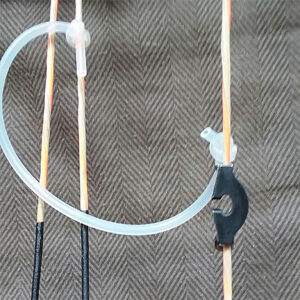
Installation is fast and painless. You’ll need a bow press—or you can take it to your local archery shop—but the actual setup takes less than a minute.
-
Draw your bow with your eyes closed and anchor naturally.
-
Open your eyes and mark the exact point your eye centers on the string.
-
Place the bow in the press to relieve tension.
-
Slide the Lilbo Peep around both sides of the string, ensuring the cutout faces your dominant eye.
-
Run the alignment tubing through the designated hole.
-
Remove the bow from the press and test the sight picture.
-
If needed, return the bow to the press and micro-adjust.
The entire process took me under five minutes from start to finish.
Quick take on notable alternatives
-
Trophy Ridge No Tie Aluminum Tru-Peep – A “no-tie” aluminum peep that, like Lilbo, eliminates the need for string serving. Installation is easy and it holds tight without serving. But it still uses a traditional enclosed aperture, so you don’t get the unobstructed side-cutout benefit.
-
Bohning Slim Peep Sight – A lightweight, budget-friendly peep with a 3/16″ orifice. It’s a standard closed-ring peep, so for the price you get solid reliability — but none of the enhanced field-of-view or light-gathering advantages of Lilbo’s design.
-
Total Peep Sight Pro for Bowhunting – A tubeless peep alternative aiming to reduce errors caused by peep rotation or light shifts. While it improves consistency, it still uses a conventional aperture (so no side-cutout), and its advantages differ philosophically from Lilbo’s.
-
Hamskea Raptor Hunting Peep Housing – A premium peep housing that focuses on eliminating glare and improving sight clarity, especially in difficult light. Great for hunters, but like most peeps, it still uses a circular aperture and doesn’t address the “obstructed sight picture” issue that Lilbo targets.
-
Radical Archery Super Deuce 38 Peep Sight – A 38° angle-mounted aluminum peep with a well-rounded aperture at full draw. It’s a quality peep for many setups and good when string angle matters, but it remains a standard “circle you look through” peep.
-
MAXIM 38 Peep Sight – Designed for shorter bows (short ATA), this self-aligning peep is useful for certain bow setups. It provides reliability and ease of alignment but does not offer the unobstructed, open-side design of Lilbo.
-
G5 Outdoors Meta Pro Peep Sight – A machined peep with radial string grooves and a convex interior to keep the sight image consistent at all draw lengths. Solid, traditional design — but still a conventional aperture-based peep.
-
Quick Sight Elite Peep Sight – This string-mounted peep requires no bow press and allows for fast adjustments. It’s convenient but doesn’t deliver the fully open, side-cutout view that gives Lilbo its edge.
Should You Buy the Lilbo Peep — or Stick With a Traditional Peep?
Choosing the right peep sight comes down to how you shoot, where you hunt, and what matters most in your sight picture. After spending time with the Lilbo Peep and years behind standard apertures, here’s who will benefit most from each option.
Buy the Lilbo Peep If…
-
You hunt in low-light conditions
The open-side design pulls in more ambient light and makes finding your pin faster at dawn and dusk. If the deer you’re after tends to slip out in the last 10 minutes of legal shooting, this is where Lilbo shines. -
You struggle with peep rotation or sight creep
Because the Lilbo wraps around the string from both sides, it naturally settles into position and rarely twists. If you constantly realign your peep or fight torque, this is a real upgrade. -
You want a full, unobstructed sight picture
The open C-shape eliminates the “tunnel vision” effect found in standard peeps. It feels more natural and gives you a wide field of view while still helping you center your sight housing. -
You shoot with both eyes open
With no closed ring blocking part of your peripheral vision, the Lilbo feels more intuitive for open-eye shooters, especially when tracking or staying aware of game movement. -
You like simple, fast installations
Press the bow, slip it on, align it, and go. No serving material, no twisting adjustments, no short-term creep.
Stick With a Traditional Peep If…
-
You’re a target archer who values precision above all
For tournament shooters who want a perfectly round aperture, consistent diameter, and the same controlled sight picture every time, a standard circular peep remains king. -
You prefer the feel of a closed-ring aperture
Some archers simply like the comfort and familiarity of lining the ring up with the sight housing. If it works for you, there’s no wrong answer. -
You shoot with extremely strict anchor points
The Lilbo gives you a more open view, but if your shot process is built around using that hard, fixed circle as part of your anchor verification, a standard peep may feel more natural. -
You’re on a tight budget
Great peeps can be found for $7–$15. The Lilbo, while affordable for what it offers, costs more than many traditional aluminum peeps.
Where to Buy the Lilbo Peep Site
-
The Lilbo Peep Site is sold directly via the company’s website. lilbopeepsite.com
-
Because it’s a more niche / specialty item, it may not yet be widely available through big-box archery retail chains, so ordering direct is usually the best bet (or contacting the owner/dealer as listed on the site). lilbopeepsite.com
-
As with any peep installation that requires a bow press, you can install it yourself (if you have a press) or have a trusted local pro shop handle the installation for you.
How Lilbo Stands Out vs. the Rest
| Factor | Lilbo Peep Site (your review) | Typical Peep Sights (above) |
|---|---|---|
| Aperture design / field of view | Open “C”-shaped with side-cutout — 100% unobstructed, full field-of-view | Closed circular aperture – you look through a fixed hole |
| Low-light performance | Excellent — open side pulls in more light, making pin alignment easier at dusk/dawn | Varies; usually less light-gathering and potential for “tunnel vision” |
| Peep rotation / creep risk | Low — wraps around string, doesn’t rely on serving | Varies: standard peeps often need string serving or adjustment over time; tubed/tubeless peeps try to mitigate rotation but still use enclosure |
| Installation | Requires bow press, but quick (~1–5 min) | Most require serving or tube setup; some are simple string-mounted, others need press and serving (or tube) |
| Sight picture speed | Fast — your eye naturally finds the open sight | Slower — need to align circular aperture, then pin |
| Use case | Hunters in low-light, shooters wanting unobstructed view and minimal creep | General archers, target shooters, or those who prefer traditional feel |
Given this breakdown, Lilbo’s most significant advantage is an unobstructed view and improved low-light performance — qualities that standard peep sights were never designed to address. For traditionalists or target shooters who prefer a precise, fixed-aperture sight, conventional peep sights still have their place. There’s even some who don’t peep at all. But for hunters in real-world conditions—especially in timber or low-light—Lilbo offers something meaningfully different.
My Hands-On Thoughts
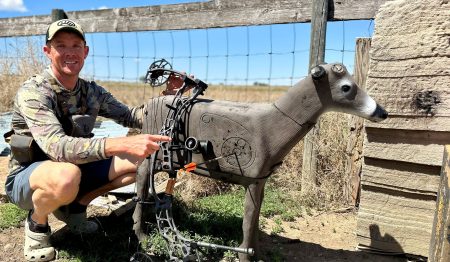
When my Lilbo Peep arrived, I had two questions: how intuitive is the installation, and how well does it feel at full draw? After chatting with John, who knows his product inside and out, I felt confident enough to take it to my local shop and have it put on my Elite Omnia 32, paired with a Redline Archery single-pin slider.

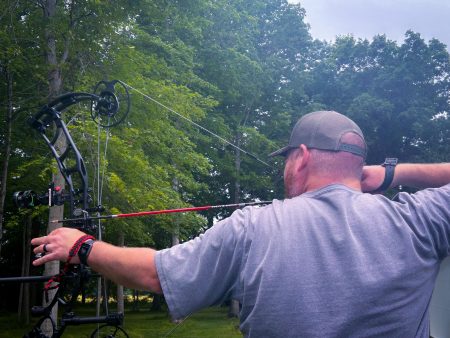
The setup was incredibly straightforward. Within minutes, I had the alignment accurate and was ready to send arrows downrange. I won’t lie—after years of shooting a traditional peep, the open-side design took me a few arrows to adjust to. My anchor point needed a slight reset to accommodate the new sight picture.
But after a dozen arrows at 20 yards, everything clicked. By that evening, I was shooting confidently out to 50 yards. The difference was most apparent in low-light tests, where the open-side design let me pick up my target faster. On my buck target in the timber, I could draw, see the whole deer immediately, and drop right onto my pin without hunting for the peep.
Switching back to my primary bow with a standard peep made the contrast even clearer—it took noticeably longer to center the aperture and pick up the pin. On a real deer in fading light, those seconds matter.
While I haven’t yet harvested an animal using the Lilbo Peep Sight, I’m convinced it has meaningful applications—especially for hunters who struggle with traditional peeps, shooters with low-light challenges, or anyone who likes to experiment with new bowhunting gear.
For just over $50, I don’t think you’ll regret trying it. It solves legitimate issues that many bowhunters accept as part of shooting a compound bow. Sometimes the smallest innovations make the most significant difference—and the Lilbo Peep Sight might be one of them.
Per our affiliate disclosure, we may earn revenue from the products available on this page. To learn more about how we test gear, click here.