







I’ve shot a lot of different archery releases over the years, and I’ll be honest: I still have a soft spot for a good wrist-strap index release. Thumb releases, hinges, and handheld releases all have their place, and plenty of serious bowhunters have made the switch. But there is still something hard to beat about strapping a release on your wrist before daylight, climbing into a tree, and knowing it is right there when the moment comes.
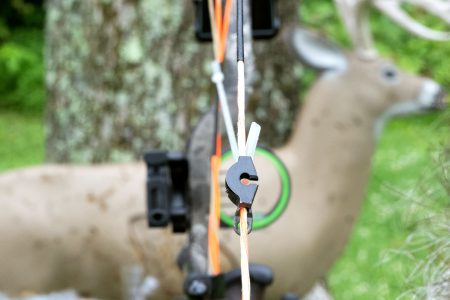
A wrist release is simple, familiar, and dependable. It is also easy to overlook. A lot of hunters will spend hours picking apart bow specs, arrow builds, broadheads, sights, rests, stabilizers, and everything else, then grab whatever release is hanging on the peg at the pro shop. That is a mistake. The release is the last thing you touch before the arrow leaves the string. If it has creep, a sloppy trigger, an uncomfortable strap, or a head that is hard to hook onto a D-loop when your heart rate is up, it can cost you.
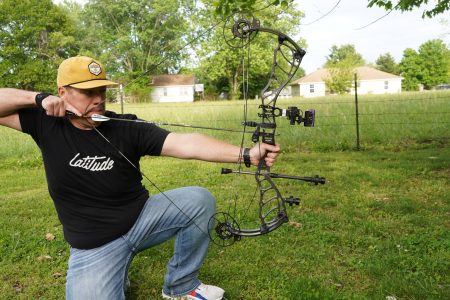
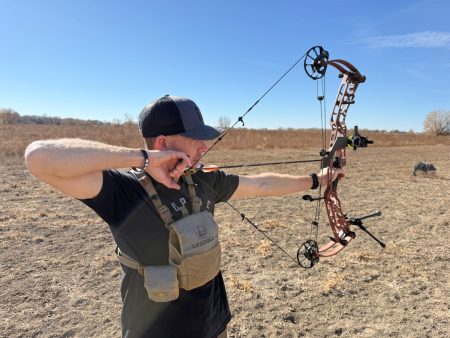
For this review, I tested several wrist releases with bowhunting in mind. I wasn’t looking for the flashiest release or the one that looked best on a target line. I wanted releases that made sense in a tree stand, a ground blind, a saddle, and a spot-and-stalk situation. I paid attention to trigger feel, comfort, adjustability, noise, ease of connection, and whether I would actually trust the release when a good buck steps into a shooting lane.
After testing, these are the five that stood out.
The Five Best Wrist Releases for Bowhunting
Best Overall Wrist Release: TruFire Exert Flex
Best Classic Hunting Release: Scott Little Goose RTS
Best Fast-Hook Hunting Release: Spot Hogg Wiseguy
Best Hybrid Wrist-Strap Release: STAN Axis 3-Finger
Best Kids Release: TruFire Spark 2.0 Buckle Youth
Best Overall Wrist Release: TruFire Exert Flex
Best Overall Wrist Release: TruFire Exert Flex

The TruFire Exert Flex ended up being my top pick because it felt like the best blend of hunting function and high-end shot execution. It is not just another basic wrist release with a nicer strap. This release has a crisp, clean feel that stands out right away, and the more I shot it, the more I trusted it.
The first thing I noticed was the trigger. A lot of index releases feel fine for the first few shots, but once you start shooting groups and really paying attention, you can feel the difference between a trigger that breaks clean and one that stacks, drags, or surprises you in the wrong way. The Exert Flex uses a dual-sear system with micro-adjustable tension and travel, which gives it a much more refined feel than many standard hunting releases. It also has a solid build, a comfortable strap system, an adjustable web connection, and the ability to fine-tune the trigger to fit the way you shoot.
That adjustability is what really makes it shine. I like a release that lets me get the trigger exactly where my finger naturally wants to land. Not too far out or tucked too close. The Exert Flex gave me that ability without feeling like I was fighting the strap or twisting the head into position.
In the woods, that matters. When you are wearing gloves, tucked into a saddle, or trying to draw without a deer picking you off, you don’t want to be thinking about your release. You want to hook up, settle in, pull through the shot, and watch the arrow hit where you were aiming. This release does that.
It is also comfortable enough to wear for long sits. Some wrist releases feel fine on the range but start to annoy you after a few hours in a tree. The Exert Flex did not give me that issue. It stayed put, felt solid, and gave me the same anchor and trigger position shot after shot.
Pros:
- Excellent trigger feel
- Micro-adjustable tension and travel
- Comfortable strap system
- Solid, well-built feel
- Great blend of target-style precision and hunting practicality
Cons:
- More expensive than basic wrist releases
- Hunters who like a very lightweight release may notice the added weight
Best Classic Hunting Release: Scott Little Goose RTS
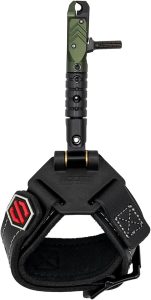
The Scott Little Goose has been around in different forms for a reason. It is one of those releases that may not look flashy, but it flat-out works. The Little Goose RTS brings a modern update to a proven design, and for a lot of bowhunters, this might be all they ever need.
This release has the kind of simple, dependable setup that makes sense for hunting. It has travel adjustment, length adjustment, an auto-return trigger, a single closed jaw, and a comfortable strap. In plain hunting terms, that means it gives you enough adjustability to fit your hand, enough comfort to wear all morning, and enough reliability to make it a strong everyday release.
What I liked most about the Little Goose RTS is how familiar it feels. If you grew up shooting a wrist release, there is almost no learning curve. Strap it on, hook it to the loop, settle in, and shoot. The single closed jaw is simple and reliable, and the trigger has a clean enough break that I never felt like I had to fight it.
This is the kind of release I would recommend to a bowhunter who does not want to overthink everything. Not everyone wants to fine-tune a release like they are setting up a tournament rig. Some hunters just want a dependable release they can shoot all summer, carry all fall, and trust when a deer comes in. The Little Goose RTS fits that role perfectly.
It is also a great backup release. I am a firm believer that every bowhunter should have a second release set up as close as possible to their main one. Releases get left in trucks, dropped from stands, misplaced in packs, or forgotten at home. Having a simple, dependable release like the Little Goose RTS in your bow case is never a bad idea.
Pros:
- Proven, familiar design
- Comfortable wrist strap
- Easy to adjust
- Good price point
- Great main release or backup option
Cons:
- Not as refined as some premium models
- Closed-jaw design is reliable but not as fast to hook up as an open hook
Best Fast-Hook Hunting Release: Spot Hogg Wiseguy
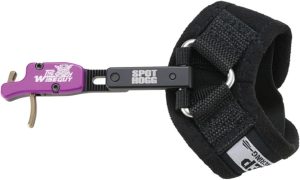
The Spot Hogg Wiseguy is built for hunters who like a fast, clean hookup and a light trigger. This is one of those releases that feels aggressive in a good way. It has a forward trigger design, a quick-loading open jaw, a self-reloading hook, adjustable length, and a light adjustable trigger with very little travel.
The biggest advantage of the Wiseguy is speed. If you hunt from a tree stand or saddle, that open jaw is nice. If you spot and stalk, it is even better. There are times when you do not have the luxury of fumbling with a release head. You need to get clipped on quickly and quietly, draw when the window opens, and make the shot. The Wiseguy is built for that.
I also liked the trigger more than I expected. A light trigger can be a great thing or a bad thing depending on the shooter. If you punch the trigger, the Wiseguy probably will not fix that. In fact, it may expose it. But if you are disciplined and know how to pull through the shot, it is crisp and fast.
This release would not be my first pick for a brand-new archer who is still learning trigger control. It is better suited for a hunter who already has solid form and wants a fast, no-nonsense release for real hunting situations. I could see this being a favorite for mobile whitetail hunters, western hunters, and anyone who values a fast D-loop connection.
Pros:
- Very fast open-hook design
- Light, crisp trigger
- Adjustable length
- Great for mobile hunting
- Multiple strap options
Cons:
- Trigger may be too light for some hunters
- Not as forgiving for archers who punch the shot
Best Hybrid Wrist-Strap Release: STAN Axis 3-Finger
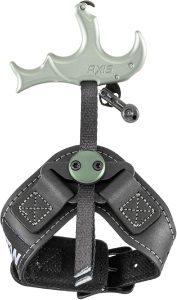
I wanted to include one release in this lineup that was a little different from a standard index-finger wrist release, and the STAN Axis 3-Finger fits that role perfectly. It gives hunters the security of a wrist strap, but with more of a handheld thumb-button feel. For bowhunters who have thought about switching to a thumb release but still like having something attached to their wrist, this release makes a lot of sense.
The Axis has a sleek 3-finger design, a comfortable leather wrist strap, an open-hook style head, and an adjustable trigger system. It is fired and reset by pressing the thumb barrel, so it does take a little getting used to if you have shot index releases your whole life. Once I got comfortable with it, though, I could see why a lot of hunters would like this setup.
The biggest thing I noticed was how natural it felt at full draw. A traditional wrist release puts everything on your index finger, and for most bowhunters that is familiar. The Axis changes that by letting you settle into more of a handheld-style anchor while still keeping the release connected to your wrist. That gives it a controlled, steady feel without the worry of dropping a handheld release from a tree stand or digging around for it when a deer is already inside bow range.
For hunting, I liked the open-hook design. It made hooking onto the D-loop quick and simple, which matters when things happen fast. I also liked that the release did not feel bulky or awkward. Some hybrid-style releases feel like they are trying to do too much, but the Axis felt clean and practical.
This would not be the first release I would hand to a brand-new archer. There is a learning curve, especially if someone is used to punching an index trigger. But for a bowhunter who wants better shot execution, a cleaner surprise-style release, or an easier transition into thumb-button shooting, the STAN Axis is a strong option.
Pros:
- Great bridge between wrist releases and thumb-button releases
- Comfortable 3-finger design
- Stays attached to your wrist
- Open hook makes D-loop connection quick
- Good option for hunters wanting to improve shot execution
Cons:
- Not a true index-finger release
- Takes some adjustment if you have only shot traditional wrist releases
Best Kids Release: TruFire Spark 2.0 Buckle Youth
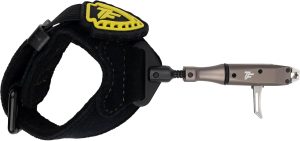
Getting kids started the right way matters. A release that is too long, too bulky, or too hard to operate can make shooting frustrating in a hurry. That is why the TruFire Spark 2.0 Buckle Youth made my list as the best kids release.
The Spark 2.0 is designed for smaller hands and wrists. It has a compact head, smooth jaws, adjustable length, a buckle strap, and a setup that works for both right- and left-handed shooters.
That smaller fit is the key. Too many young archers are handed adult gear and expected to make it work. Then we wonder why their anchor is inconsistent or why they struggle with shot execution. A youth release should help them build repeatable form, not force them to adapt around gear that does not fit.
The Spark 2.0 does a good job of keeping things simple while still offering enough adjustability to grow with a young shooter. I also like the buckle strap for kids because it gives them a repeatable fit each time. With Velcro-style straps, it is easy to get a slightly different fit every time they put it on. A buckle helps keep that more consistent.
This is not just a “kid-sized” release in name only. It feels like it was actually built for young hunters and young target shooters. For parents trying to get their kids ready for their first deer season, turkey hunt, or 3D league, this is the one I would start with.
Pros:
- Built for smaller hands and wrists
- Adjustable length
- Works for right- or left-handed shooters
- Buckle strap helps with consistency
- Great starter release for young bowhunters
Cons:
- Kids will eventually outgrow it
- Not meant for adults with larger hands
| Release | Best For | Head Style | Trigger Type | Key Adjustment | Strap Style | Price Range |
|---|---|---|---|---|---|---|
| TruFire Exert Flex | Best Overall | Caliper/jaw | Index | Tension and travel | Flex strap | Premium |
| Scott Little Goose RTS | Traditional bowhunters | Closed jaw | Index | Travel and length | Wrist strap | Midrange |
| Spot Hogg Wiseguy | Fast hookup | Open hook | Index | Trigger and length | Multiple options | Midrange |
| STAN Axis 3-Finger | Index-to-thumb transition | Open hook | Thumb button | Trigger settings | Leather wrist strap | Premium |
| TruFire Spark 2.0 Youth | Young archers | Dual jaw | Index | Length | Buckle strap | Budget |
What Makes a Good Bowhunting Wrist Release?
The best wrist release is not always the most expensive one. It is the one you shoot the best and trust the most. For bowhunting, I care about five things.
First, the strap has to be comfortable. If you hate wearing it, you will loosen it, take it off, or constantly mess with it in the stand.
Second, the length has to fit. Your trigger finger should land naturally on the trigger without stretching or curling awkwardly.
Third, the trigger has to be clean. It does not have to be hair-light, but it should break consistently.
Fourth, it needs to be quiet. Buckles, hooks, heads, and moving parts all matter when a deer is inside 30 yards.
Finally, it has to be dependable under pressure. A release can feel great on a summer target, but bowhunting adds gloves, cold fingers, awkward angles, adrenaline, and imperfect shot windows.
How I Tested the Best Wrist Releases
I evaluated each release specifically as a bowhunting tool, not simply by how it performed while standing comfortably on a target range. Every release was judged on trigger feel, fit, comfort, adjustability, noise, ease of connection and overall confidence at full draw.
I paid close attention to how naturally my trigger finger or thumb landed on the activation point. A release can have an excellent trigger, but it will still encourage poor shooting habits if the head is too long, too short or positioned awkwardly for the shooter’s hand. Releases that allowed me to establish a comfortable, repeatable anchor received higher marks.

I also evaluated how quickly and easily each model connected to a D-loop. That included comparing open-hook designs with closed-jaw systems and considering how easy each one would be to operate by feel when a deer is nearby. A release that requires constant looking, repositioning or fumbling can become a liability during a fast shot opportunity.
Comfort was evaluated with hunting use in mind. I considered whether the wrist strap remained secure, whether the release maintained a consistent position and whether it would be comfortable enough to wear through a long sit. I also looked at how much the release head moved around while handling a bow, binoculars, a rangefinder and other hunting equipment.
Finally, I considered shot execution and dependability. The best releases produced a clean, repeatable break without excessive creep or inconsistent trigger movement. My final selections favored releases that offered a practical combination of precision, comfort and simplicity—and that I would feel confident wearing when a real shot opportunity presented itself.
Which Wrist Release Is Right for You?
The TruFire Exert Flex is the best choice for most serious bowhunters who want a refined trigger, extensive adjustability and dependable hunting performance. It costs more than a basic wrist release, but its clean trigger and customizable fit make it the strongest overall option in this group.
Choose the Scott Little Goose RTS if you prefer a traditional index-finger release with a proven design. It is simple, comfortable and dependable without requiring a lot of fine-tuning. It also makes an excellent backup release for hunters who want something familiar and reliable stored in their bow case.
The Spot Hogg Wiseguy is the better choice for hunters who prioritize a fast D-loop connection. Its open-hook design is especially useful for mobile whitetail hunting, saddle hunting and spot-and-stalk situations where shooting opportunities can develop quickly. Its light trigger is best suited to experienced archers with disciplined trigger control.
Consider the STAN Axis 3-Finger if you want to transition from a traditional index release to a thumb-button release without giving up the security of a wrist strap. It provides more of a handheld anchor and shooting feel while remaining attached to the hunter. It requires more practice than a conventional index release, but it can be a valuable option for improving shot execution.
For young archers, the TruFire Spark 2.0 Buckle Youth offers the most appropriate fit. Its smaller dimensions and adjustable length help young shooters develop a repeatable anchor without adapting their form around an oversized adult release.
No matter which model you choose, fit should be the deciding factor. Your finger or thumb should reach the trigger naturally, the strap should return to the same position every time and the release should feel predictable throughout the shot. The best release is ultimately the one that allows you to execute a controlled shot without consciously thinking about the equipment.
Final Thoughts
If I had to pick one release from this group to hunt with tomorrow, I would grab the TruFire Exert Flex. It gave me the best overall mix of comfort, adjustability, trigger feel, and hunting practicality. It felt refined without feeling fragile, and that is exactly what I want in a bowhunting release.
That said, every release on this list has a place. The biggest thing is this: do not treat your release like an afterthought. It is one of the most important pieces of gear in your entire bow setup. Shoot it all summer. Tune with it. Practice with gloves. Practice from awkward positions and practice from a stand or saddle if that is how you hunt.
When the buck you have been waiting on finally steps out, you should not have to think about your release at all. It should already feel like part of the shot.
Per our affiliate disclosure, we may earn revenue from the products available on this page. To learn more about how we test gear, click here.