





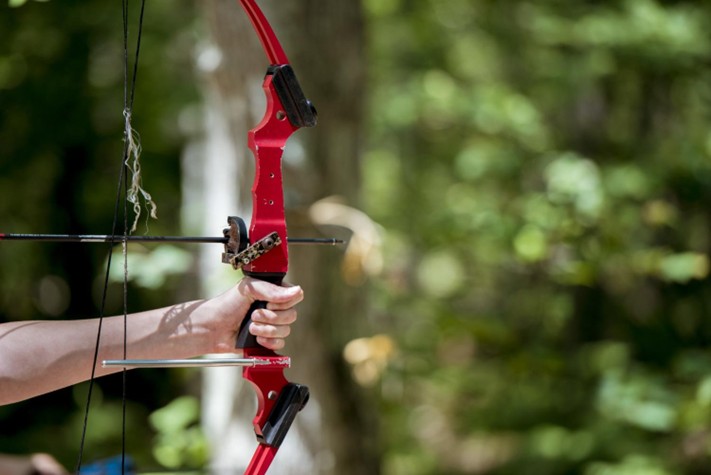
Bowhunting has always been defined by restraint. It demands proximity, patience, and a level of discipline that leaves little room for error. Unlike other forms of hunting, success here is rarely accidental. It is built through preparation, familiarity with equipment, and an understanding of how small variables influence the outcome of a shot.
What has changed in recent years is not the essence of bowhunting, but the environment surrounding it. The modern bowhunter now operates within a far broader gear ecosystem, one that extends well beyond the bow itself. Access to equipment, information, and specialised tools has expanded significantly, shaping how hunters prepare, adapt, and refine their approach in the field.
A Broader Definition of “Gear”
At one point, bowhunting gear was relatively straightforward. A bow, arrows, broadheads, and a handful of accessories formed the core setup. Today, that definition has widened. Clothing systems, scent control, optics, rangefinders, stabilisers, release aids, and tuning tools all play a role in how effectively a hunter performs.
More importantly, these elements are no longer treated as secondary. They are part of an integrated system, where each component contributes to consistency. A well-balanced setup is not about having the most advanced bow, but about ensuring that every element works together without introducing unnecessary variables.
This shift has changed how hunters think about preparation. Instead of focusing on a single piece of equipment, there is greater emphasis on how the entire setup behaves under real-world conditions. Small adjustments, from arrow weight to sight calibration, can make a noticeable difference when it matters most.
Access and the Rise of the Equipment Ecosystem

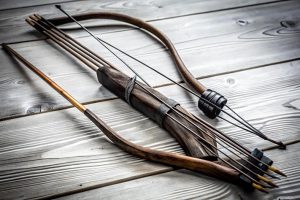
One of the most significant developments in modern bowhunting is how hunters access equipment. The process is no longer limited to local retailers or seasonal availability. Instead, it has become a more dynamic, research-driven experience.
Hunters now compare specifications, read field-tested feedback, and evaluate performance across a wider range of products before making decisions. Platforms that bring together different categories of hunting gear have made this process more efficient, allowing hunters to explore options beyond their immediate environment. For those looking to broaden their setup or replace key components, platforms like gunbuy.com.au have become part of that wider ecosystem, offering a way to navigate available equipment with greater clarity and flexibility.
This expanded access does not necessarily lead to more gear, but to better-informed choices. Hunters are able to refine their setups over time, replacing or upgrading components based on actual needs rather than assumptions. The result is a more deliberate approach to building and maintaining equipment.
Consistency Over Complexity
Despite the growing range of available tools, experienced bowhunters tend to move in the opposite direction. They simplify.
The goal is not to carry more equipment, but to remove friction from the process. Each additional variable introduces potential inconsistency, and in bowhunting, inconsistency often translates directly into missed opportunities.
This is where the modern gear ecosystem plays an interesting role. It provides access to a wide range of options, but it also allows hunters to narrow their choices more effectively. Instead of trial and error, decisions can be guided by accumulated knowledge, both personal and shared within the hunting community.
Consistency becomes the priority. A setup that performs the same way every time, under different conditions, is far more valuable than one that promises peak performance but lacks reliability.
The Influence of Field Conditions
No two hunts are identical. Terrain, weather, and animal behaviour introduce variables that cannot be controlled, only managed. This is where the adaptability of a hunter’s setup becomes critical.
In dense woodland, manoeuvrability and silence take priority. In open terrain, accuracy over longer distances becomes more relevant. In colder climates, clothing and mobility can influence shooting form as much as the bow itself.
The expanding gear ecosystem allows hunters to adjust to these conditions more precisely. Layering systems designed for temperature regulation, quieter materials that reduce noise during movement, and lightweight accessories that minimise fatigue all contribute to better performance in the field.
However, the key lies in understanding which adjustments are necessary and which are not. More options do not automatically lead to better outcomes. The ability to filter those options based on real experience remains one of the most valuable skills a hunter can develop.
Information as a Practical Tool
Access to equipment is only one part of the equation. Access to information has become equally important.
Hunters today rely on a combination of personal experience, community knowledge, and data-driven insights. Reviews, field reports, and shared experiences provide context that was once difficult to obtain. This collective knowledge helps reduce uncertainty, particularly when evaluating new gear or making adjustments to an existing setup.
At the same time, information must be approached critically. Not every recommendation applies to every hunter or environment. The most effective use of information comes from combining it with personal experience, using it as a guide rather than a rulebook.
This balance between external input and individual understanding is what allows hunters to build setups that genuinely reflect their needs.
Ethics and Responsibility in a Modern Context
As the gear ecosystem expands, so does the responsibility that comes with it. Access to better equipment can improve accuracy and efficiency, but it also raises expectations around ethical hunting practices.
A well-prepared hunter is expected to take clean, responsible shots, to understand their limitations, and to avoid situations where the likelihood of a successful outcome is uncertain. Equipment plays a role in this, but it does not replace judgement.
Organisations such as the Boone and Crockett Club have long emphasised the importance of fair chase and responsible hunting practices. Their guidelines reflect a broader principle: technology and access should enhance the integrity of the hunt, not diminish it.
This perspective reinforces the idea that gear is a tool, not a shortcut. It supports skill, but it does not substitute for it.
The Balance Between Tradition and Progress
Bowhunting carries a strong sense of tradition. Many of its principles have remained unchanged for generations. The connection to the environment, the emphasis on patience, and the respect for the animal are all central to the experience.
At the same time, the tools and systems surrounding the hunt continue to evolve. The expanding gear ecosystem is part of that evolution, offering new ways to prepare, adapt, and refine performance.
The challenge for modern bowhunters is to navigate this balance. To take advantage of improved access and better equipment without losing sight of the fundamentals that define the practice.
In many ways, this balance is what keeps bowhunting relevant. It allows the discipline to evolve while preserving the qualities that make it distinct.
A More Intentional Approach to the Hunt
Ultimately, the modern bowhunting experience is shaped by intention. The availability of gear, information, and platforms has made it easier to prepare, but it has also made it more important to choose carefully.
Every piece of equipment, every adjustment, and every decision contributes to how a hunt unfolds. The expanding ecosystem does not change that reality, it simply provides more tools to work with.
For those who approach it thoughtfully, this environment offers a clear advantage. Not because it simplifies the hunt, but because it supports a more informed, deliberate way of engaging with it.
And in a discipline where success depends on precision, timing, and control, that level of intentionality often makes all the difference.