




For many bowhunters, the season doesn’t truly end when the final day of hunting arrives. Instead, it shifts into a different phase focused on preparation, learning, and staying connected to the sport. Months away from the field provide valuable opportunities to improve skills, evaluate equipment, strengthen physical conditioning, and reflect on lessons learned during previous hunts. Rather than viewing the off-season as downtime, experienced hunters often see it as an investment in future success.
Mental engagement plays an equally important role. Keeping enthusiasm high throughout the year helps maintain motivation, making the return to the woods feel like the continuation of a long-term pursuit instead of the beginning of another cycle.
Staying Connected Beyond the Hunt
Even when bows are stored away for part of the year, many hunters remain involved through digital content, equipment reviews, online communities, and outdoor media. Watching hunt films, following conservation news, or reading about new archery technology helps maintain interest while expanding knowledge that can prove useful when the next season begins.
Entertainment also has its place during the off-season. After spending time researching new broadheads, practicing at the range, or planning future hunts, many hunters enjoy relaxing with other forms of recreation. Some choose to explore options such as mr q bingo, adding a lighthearted activity to their downtime before returning to outdoor-focused projects and preparations.
Balancing hunting-related activities with general entertainment helps prevent burnout while keeping enthusiasm for the sport fresh throughout the year.
Skill Development Never Really Stops
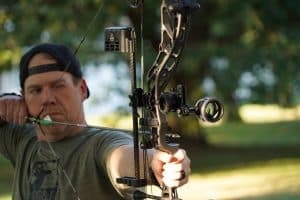
Successful bowhunters understand that accuracy depends on consistency rather than occasional practice. The off-season creates an ideal opportunity to refine shooting form, experiment with different equipment setups, and build confidence without the pressure of an approaching hunt.
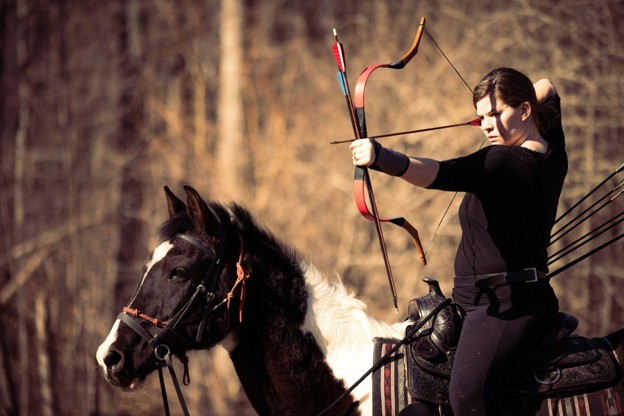
Many archers dedicate time to improving release technique, strengthening back muscles, and practicing under varied conditions. Shooting at different distances or from elevated positions helps prepare for realistic hunting scenarios while reinforcing good habits.
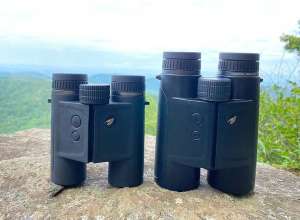
Equipment maintenance also becomes a priority. Strings, sights, arrows, and broadheads all benefit from careful inspection before another season begins, reducing the chance of preventable problems in the field.
Physical Preparation Makes a Difference
Bowhunting can be surprisingly demanding. Hiking through uneven terrain, carrying equipment, climbing tree stands, or drawing a bow repeatedly requires strength, endurance, and mobility that cannot be developed overnight.
Many hunters use the off-season to improve cardiovascular fitness and overall conditioning. Walking with a loaded pack, performing functional strength exercises, and maintaining shoulder flexibility all contribute to better performance once hunting resumes.
Reliable preparation resources can also help hunters organize their training plans and equipment priorities. The National Shooting Sports Foundation (NSSF) provides educational resources covering hunter safety, equipment considerations, and responsible hunting practices, giving hunters reliable information to support their preparation throughout the year and before upcoming seasons.
Planning Future Adventures
The months between seasons provide plenty of time to research new hunting opportunities. Some hunters begin applying for tags months in advance, while others scout unfamiliar public land using digital mapping tools or study habitat changes through satellite imagery.
Travel planning also becomes part of the excitement. Exploring different states, researching outfitters, or identifying promising areas for future hunts helps maintain anticipation throughout the year. Every new destination presents unique terrain, wildlife behavior, and logistical challenges that require careful preparation.
These planning sessions often become almost as enjoyable as the hunts themselves because they allow hunters to imagine future opportunities while making informed decisions well before opening day arrives.
A Year-Round Mindset
The best bowhunters rarely think in terms of a single hunting season. Instead, they view every month as contributing to long-term improvement, whether that means practicing at the range, improving fitness, maintaining equipment, or learning from experienced hunters.
Adding moments of relaxation between those productive activities helps maintain that commitment over time. By balancing preparation with enjoyable forms of entertainment, hunters avoid feeling overwhelmed while remaining connected to the sport they enjoy.
When opening day finally arrives, the confidence built during months of consistent practice, planning, and preparation often proves just as valuable as any piece of equipment carried into the field.
Learning From the Hunting Community
One advantage of the off-season is having time to learn from the experiences of others. Hunters often exchange insights through forums, podcasts, videos, and local archery clubs, discussing everything from shot placement and tracking techniques to gear selection and changing wildlife patterns. These conversations expose both new and experienced bowhunters to different approaches that may improve future success.
Studying successful hunts also encourages critical thinking. Rather than simply watching harvest highlights, many hunters analyze decision-making, wind direction, stand placement, and animal behavior to better understand why a strategy worked. Combining personal practice with lessons from the broader hunting community allows bowhunters to continue developing throughout the year, even when they are far from the woods.