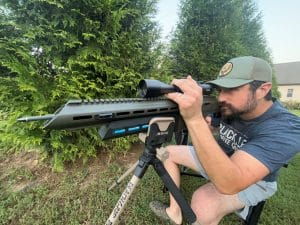
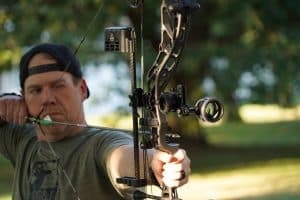





Bowhunting demands more from the body than most people outside the sport appreciate. Packing in miles of rough terrain before first light, holding a draw at full tension while managing breath and movement, hauling out game on your back through country that does not cooperate, and doing it again the next morning before your legs have had time to recover. The physical cost of a serious hunting season accumulates quickly, and how well you manage recovery between outings has a direct bearing on how you perform when it matters.
Recovery tools that were once limited to professional athletes have moved into the mainstream hunting community over the past several years. Organic CBD gummies designed for recovery and relaxation, like those in the Joy Organics lineup, have found a genuine audience among bowhunters who want clean, effective options for managing inflammation, sleep quality, and the physical stress that a demanding season puts on the body. But CBD is one piece of a larger recovery picture worth understanding in full.
What a Hunting Season Actually Does to the Body
The physical demands of bowhunting vary considerably by terrain and game, but the common thread is sustained physical output under conditions that rarely allow for ideal recovery. Western hunters chasing elk or mule deer in high-altitude backcountry may cover 10 to 15 miles of elevation gain and loss in a single day. Whitetail hunters in the Midwest and South may spend multiple consecutive days climbing into stands before first light, sitting motionless for hours in cold conditions, and packing out game that can weigh several hundred pounds.
The physical toll shows up in predictable places. The knees and hips absorb significant impact from uneven terrain and repeated elevation changes. The back and shoulders bear the load of packs, stands, and game. Cold temperatures tighten muscles and connective tissue, increasing the risk of strain during the kind of sudden movements that shots and pack-outs require. And the sleep deprivation that comes with predawn alarms across a long season compounds every other physical stressor.
Most experienced hunters develop some form of recovery protocol over time, even if they would not call it that. The ones who hunt hard year after year without breaking down tend to share certain habits around how they treat the body between outings.
Sleep as the Foundation of Recovery
No recovery tool works as well as quality sleep, and no recovery deficit is harder to overcome than chronic sleep restriction. For bowhunters running 4am alarms across consecutive days, sleep quantity is already constrained by the demands of the schedule. Sleep quality becomes the variable worth protecting.
The body does its most significant repair work during deep sleep stages. Human growth hormone, which drives tissue repair and muscle recovery, is released primarily during slow-wave sleep. Inflammatory markers that build during physical exertion begin to resolve. The nervous system processes and consolidates the day’s experiences. Shortchange these processes through poor sleep quality and the body carries more cumulative damage into each successive day of the season.
This is one of the reasons CBD has attracted attention in the hunting community. Research published in The Permanente Journal found CBD use was associated with meaningful reductions in anxiety and significant improvements in sleep quality in the majority of participants within a month. For hunters dealing with the mental activation that follows a full day in the field, the difficulty of switching off when sleep time finally arrives is a real problem that better sleep quality directly addresses.
CBD gummies taken as part of a consistent pre-sleep routine, typically 30 to 45 minutes before the intended sleep time, support the body’s natural wind-down process without the grogginess that some conventional sleep aids produce the following morning. In a context where you need to be sharp and functional at 3:30am, waking up groggy is not an acceptable trade-off.
Managing Inflammation Between Outings
Inflammation is a normal and necessary part of physical recovery. When muscle fibers sustain micro-damage during strenuous activity, the inflammatory response is what initiates repair. The problem for hunters running hard schedules is that insufficient recovery time between outings means inflammation from one day carries into the next. Accumulated inflammation translates to reduced performance, increased injury risk, and the kind of chronic soreness that makes a long season genuinely unpleasant.
CBD’s potential anti-inflammatory properties have attracted significant research interest, particularly in the context of exercise and physical recovery. The compound appears to interact with receptors involved in regulating inflammatory responses, potentially supporting faster resolution of exercise-induced inflammation. While the research specific to hunting athletes is limited, the underlying mechanisms are directly relevant to the physical demands of the sport.
Cold water immersion, commonly called ice bathing, remains one of the most evidence-backed approaches to acute inflammation management after strenuous physical activity. Even a 10 to 15 minute soak in cold water after a hard day in the field accelerates the reduction of acute inflammation and reduces next-day soreness. It is uncomfortable and requires access to cold water, but the effect is reliable and well documented.
Compression gear worn during and after physical exertion supports circulation and helps reduce the pooling of blood and inflammatory fluids in the lower legs. For hunters covering significant miles, calf sleeves or compression socks during pack-outs and in the hours immediately following heavy exertion make a measurable difference in how the legs feel the following morning.
Nutrition and Hydration for Field Recovery
Recovery nutrition is an area where most hunters have significant room for improvement. The window immediately following strenuous physical activity, roughly 30 to 60 minutes after exertion ends, is when the body is most efficient at absorbing the protein and carbohydrates it needs to begin repair and replenish glycogen stores.
Protein intake in the range of 20 to 40 grams following a hard day in the field supports muscle protein synthesis and accelerates recovery. The source matters less than the amount for most practical purposes. Whole food sources like the meat you are hunting are excellent options when available. Packable protein options like jerky, nuts, or protein bars address the practical constraints of backcountry hunting where meal preparation is limited.
Hydration is consistently underestimated by hunters, particularly in cold weather where the thirst response is suppressed and fluid losses through respiration are less obvious. Dehydration degrades physical performance, impairs cognitive function, and slows recovery. Electrolyte replacement matters as much as fluid volume, since sweat and heavy respiration deplete sodium, potassium, and magnesium alongside water. Electrolyte packets added to water during and after physical exertion address both needs efficiently.
Magnesium specifically deserves attention for hunting recovery. It plays a direct role in muscle relaxation, sleep quality, and the regulation of inflammatory responses. Physical exertion depletes magnesium, and the combination of strenuous activity and disrupted sleep that characterizes a hard hunting season creates conditions where deficiency compounds quickly. Magnesium glycinate taken in the evening is well absorbed, gentle on the digestive system, and supports both muscle recovery and sleep onset.
Movement and Mobility Between Outings
Complete rest between hunting days is rarely the right approach. Passive recovery, where the body simply sits still and waits, tends to produce more stiffness and slower recovery than active recovery that keeps blood moving through fatigued tissues.
Light movement in the hours after a hard day, a 15 to 20 minute walk, some gentle stretching focused on the hips, hamstrings, and lower back, or mobility work targeting the areas that took the most load, accelerates the removal of metabolic waste products from fatigued muscles and maintains the range of motion that shooting form depends on.
For bowhunters, maintaining shoulder and upper back mobility throughout the season is particularly important. The draw cycle places specific demands on the rotator cuff, rhomboids, and posterior deltoids. These structures tighten and fatigue over a long season. Targeted mobility work and occasional light resistance training that addresses the pulling muscles of the upper back helps maintain both shooting performance and injury resilience as the season progresses.
Building a Recovery Routine That Actually Gets Used
The most effective recovery protocol is the one that actually gets executed consistently, not the most sophisticated one on paper. For hunters who are already running hard schedules, the barrier to recovery work is usually time and mental energy rather than access to information.
The practical approach is to keep the routine simple and attach it to things you are already doing. Electrolytes go in the pack alongside water. Magnesium and CBD gummies sit on the nightstand so they get taken as part of going to bed rather than as a separate decision. Five minutes of hip and lower back stretching happens while the camp stove is heating dinner. Cold water exposure, even a brief cold shower rather than a full ice bath, happens as part of the end-of-day wash.
The organic CBD gummies from Joy Organics fit that approach well. They are portable, require no preparation, and work within a consistent nightly routine rather than as an occasional intervention. Combined with the other recovery basics, consistent sleep timing, adequate protein, hydration, and light movement, they contribute to the kind of daily recovery that keeps a hunter performing at full capacity across a long and demanding season.
The Competitive Advantage Nobody Talks About
The hunters who consistently punch tags in difficult country and come back season after season without breaking down share something in common. They take recovery as seriously as preparation. They understand that the work they put into getting ready for a season is only as valuable as their ability to stay physically and mentally sharp through it.
Gear matters. Fitness matters. Scouting matters. And the unglamorous work of eating well, sleeping consistently, managing inflammation, and moving deliberately between hard days matters just as much. The hunters who figure that out early spend more years in the field doing what they love, and they do it better for longer.
Recovery is not a soft topic. It is a performance topic. And in a sport defined by patience, precision, and the ability to perform at a specific moment after days of physical and mental investment, staying recovered is one of the most practical edges available.